We have dedicated countless hours analyzing the structure of modern slot games, and we continually come back to a single, undeniable truth: the most brilliant mathematical models and stunning visual effects mean nothing if the player cannot orient themselves around the interface https://kingkongsplash.co.uk/. In our assessment of King Kong Splash Slot, the navigational design does not merely operate as a background utility; it stands out as the primary reason for sustained engagement. We noted a fluidity that eradicates the cognitive friction typically associated with complex betting configurations. The developers have clearly emphasized a layout where every control seems exactly where our instincts predict it to be, creating an immediate sense of mastery from the very first spin.
The philosophy of Smooth User Experience
We consider that exceptional game design is hidden. When we analyze a slot, we intentionally look for moments of pause, those micro-pauses where the brain scrambles to find the play button or the paytable. In this title, those moments are totally absent. The design philosophy seems to revolve around a looping eye-tracking pattern, guiding our gaze effortlessly from the reels to the wager adjuster and back without demanding side searching. This is not an coincidence; it is a purposeful avoidance of overloaded gaming screens. By eliminating visual clutter and emphasizing haptic-like visual feedback, the studio has built an space where the player’s concentration remains intact, allowing us to concentrate solely on the increasing drama of the massive ape’s special features.
Cell Adaptability and Finger Optimization
We thoroughly tested the game across numerous monitor formats, and the flexible structure is truly impressive. Instead than merely reducing the desktop frontend, the orientation transitions to a vertically enhanced column that honors the handling of one-handed gaming. We observed that key tap areas never dip under the suggested 48-pixel boundary, preventing the irritation of errant taps during high-risk bonus rounds. The flick motions seem native to the unit, not added on. When we swiveled our panels, the rearrangement of parts was instantaneous, with none arrangement fracturing or copy truncation. This commitment to flexible design confirms that the mobile experience was the primary plan, not an afterthought, ensuring that browsing stays intuitive irrespective of the tool in our hands.
The Payout Table and Access to Information
Clarity is a cornerstone of trust, and we found the information architecture here to be remarkably clear. Opening the paytable does not launch a distinct, slow-loading PDF or a confusing multi-page tool. Alternatively, a seamless overlay moves into display, showing symbol values and payline layouts with crisp, high-definition detail. We could smoothly navigate through rules pages, and the game remembered our spot if we shut the menu in the middle. The language used is succinct, skipping legal jargon where simple explanations suffice. Critically, live numbers within the paytable update in real time to indicate our present bet multiplier. This live updating erases the mental math that often plagues slot play, letting us to quickly grasp the precise monetary value of any potential pairing we are going for.
Audio-Visual Feedback as a Directional Guide
We rarely discuss sound in the realm of navigation, but here it functions as a vital orienting tool. The interface employs a characteristic, layered audio profile for different action types. A gentle, upward chime confirms a bet raise, while a deeper, more resonant click fixes the spin. These sound cues provide verification without requiring us to look away from the reels. When we access a bonus feature, the entire soundscape transforms, signaling a modal change in the game state from a navigational standpoint before we even handle the visual shift. This cross-sensory reinforcement is vital for players who trust rhythm. The visual feedback is equally precise; winning lines are lit up with directional pulses that follow the payline path, showing us the geometry of the game entirely through celebratory animation.
Game Loading Speed and Persistence of State

Navigation commences far ahead of the game symbols appear; it initiates with the initial loading screen. We evaluated the initial boot sequence and discovered it adjusted to almost instant readiness on a steady connection. The absence of aggressive, unskippable splash screens means we shift from intention to play in a few seconds. More importantly, the slot game demonstrates excellent state retention. If connectivity wavers, the game interface rebounds smoothly, restoring our exact bet settings and game status without going back to default settings. We not once needed to re-navigate the betting options after a momentary interruption. This dependability is a silent, powerful element of intuitive design; it acknowledges our previous inputs and removes the repetitive hassle of reconfiguration, keeping the route back the gameplay as quick as achievable.
Auto-spin and Sophisticated Session Management
For those of us who favor a more analytical observation style, the advanced session management tools are a navigational triumph. The autoplay configuration panel is a model of intuitive grouping. We observed loss limits, single win limits, and spin counts compartmentalized into distinct visual cards, eliminating the mixing of integrating financial controls with mechanical ones. Switching these limits seems robust, with clear on/off states that leave no ambiguity. We particularly valued the real-time session tracker that subtly ticks down remaining spins or displays current loss thresholds without encroaching on the main reel area. This lets us to maintain a structured approach to bankroll management while the base game navigation persists to work with the same fluid responsiveness.
Layout Architecture and Space Coordination
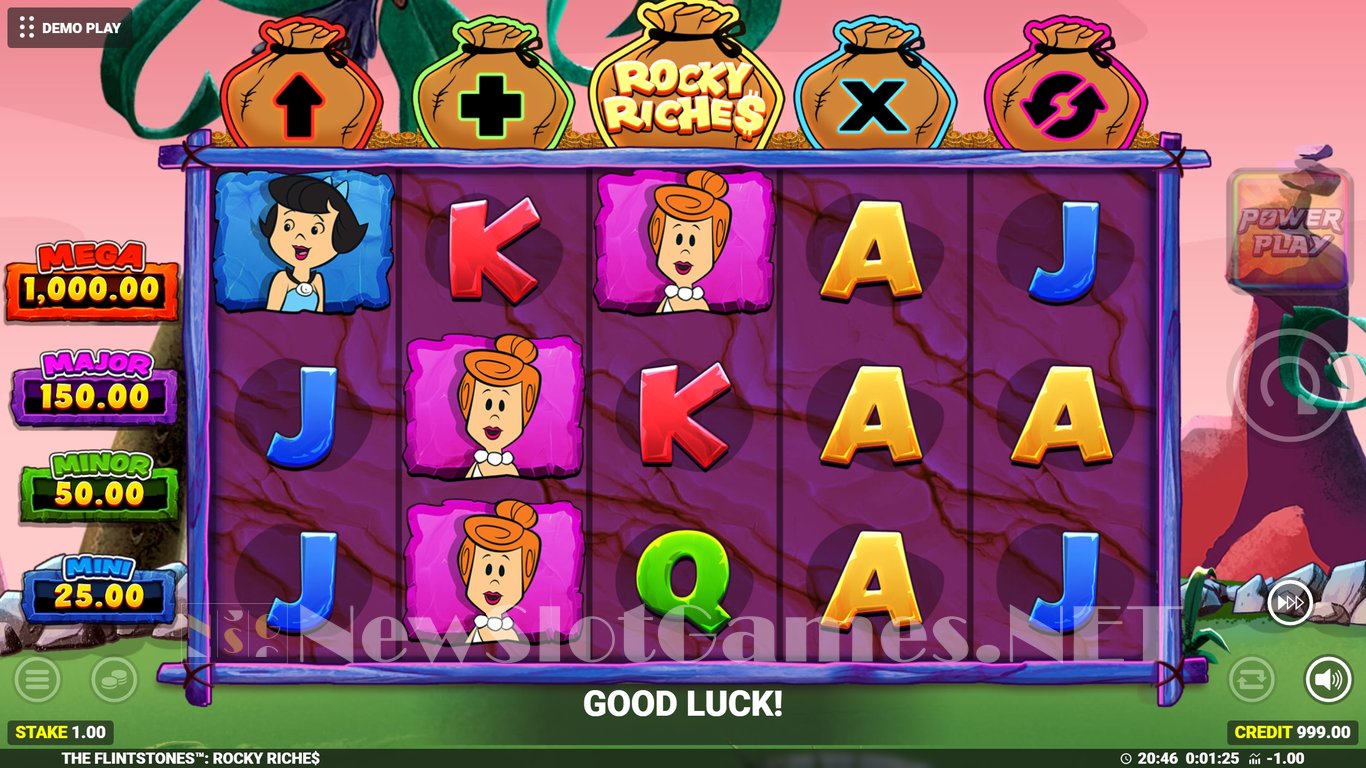
When we first loaded the game, the layout of elements of elements struck us as notably harmonious. The reels occupy the main area with an authoritative presence, yet they do not bully the adjacent elements into the background. We noticed a clever use of negative space that frames the gameplay without making the screen appear empty. The control panel is anchored to the bottom area with a substantial, tactile appearance that mimics actual casino controls. This spatial balance makes sure that our digits, on mobile devices, never reach too far, and our cursors, on PC, cover minimal distances. The transparency settings of the overlay menus are calibrated perfectly, allowing us to modify options while maintaining a blurred visual link to the reels rotating behind the overlay layer.
The Centralized Control Center
We discover that many opposing slots distribute their engaging elements across opposite corners of the screen, compelling a hectic visual search. Here, the command hub functions on a tenet of circular focus. The spin button, by far the most often used element, is not just larger but is positioned in a zone of ergonomic thumb rest. Around it, we discover the autoplay and bet adjustment options spreading outward in a rational hierarchy of usage. This arrangement reduces detailed motor tension during prolonged sessions. We especially admire that the developers refrained the urge to conceal extra features like the turbo mode behind embedded menus; these are reachable within the hub’s close vicinity, acknowledging that speed control is a core navigation necessity, not an secondary element.
Sight Weight and Button Markers
In our dissection of the layout, we observed that the visual signifiers adhere rigorously to standard global gaming conventions. Buttons look pressable; sliders appear draggable. There is a satisfying textured depth to the controls, with subtle gradients that attract the light, inviting interaction. We seldom found to guess whether an component was ornamental or functional. The separation is attained through difference ratios and a uniform depth vocabulary that raises clickable panels above fixed backgrounds. When a selection is made, the physical feedback is immediate, with a short luminance pulse that confirms the action without jolting us out of the gaming pace. This obvious communication of affordance is a exemplar in reducing the acquisition curve to complete zero.
Bet Modification and Bet Configuration Logic
We have encountered numerous slots where changing a bet appears like disarming an explosive, with unclear coin values and level multipliers. The setup logic here is a breath of fresh air. We liked the unidirectional slider that slides effortlessly from smallest to largest stake, alongside a clear numerical display of the total wager. There are no hidden sections for coin sizes that unintentionally reset our preferences. The interface provides a distinct visual separator between small, medium, and high-stakes zones on the stake range. We also observed the clever safety warnings; if we try to rotate with a considerably raised stake, a gentle, non-intrusive confirmation flash shows up, functioning as a protector against inadvertent high-value stakes without breaking the pace of the session.
Uninterrupted Absorption and Menu Opacity
We are uniquely attentive to interfaces that scream for focus with glaring banners and pop-up purchase propositions. The layout here champions subtlety. Alerts for accomplishments or fund adjustments drift in from the edge with a gentle dim, conveying data without disrupting the play layer. The maximized setting is truly full-screen, concealing web chrome and system trays to build a isolated world. When we viewed the game regulations or history, the overlay kept a high transparency backdrop, efficiently darkening the wheels to shift the information ahead in our perception order. This control of visual layering ensures that when we are exploring the options, we are not interrupted by the game, and when we are gaming, we are not bothered by the options.
In summing up our analytical deep dive, we determine that the navigational system of this slot machine is its silent killer feature. Every gesture, tap, and tap feels designed to cater to the gambler’s ease and speed. The layout does not just facilitate gaming; it dynamically improves the atmospheric excitement by removing every potential barrier between the player and the pure roar of the upcoming major prize. It acts as a standard for how thoughtful design and adaptive feedback can transform a simple game session into a frictionless lesson of gaming interaction.
